
- We’re on your favourite socials!


 Popular
 Noida (Uttar Pradesh)
 Gallery

Amity University Noida Ranks No. 1 in Southern Asia for Outbound Exchange Students in QS Asia 2026
Amity University Noida has been ranked 1st in Southern Asia for Outbound Exchange Students in the QS World University Rankings Asia 2026, marking a major achievement for the university and a strong step forward in its global journey. The ranking highlights Amity’s growing role in international education and strengthens India’s presence on the global academic map. The QS Outbound Exchange ranking measures how well a university helps its students gain international academic experience through semester exchanges, short-term study programmes, internships, and research collaborations with global institutions.
Amity University Noida stands out for its strong international network and globally connected learning environment. With 14 international campuses and partnerships with more than 100 universities around the world, Amity provides students with opportunities to study in global cities such as London, Dubai, New York, Singapore, Amsterdam, Abu Dhabi, Mauritius, and Tashkent, while earning academic credits.
The university also focuses on practical and future-ready education. Students benefit from international faculty interactions, multicultural classrooms, industry-driven programmes, flexible learning options, global internships, and real-world international projects, helping them gain valuable global exposure. This achievement in the QS Asia 2026 Outbound Exchange category reflects Amity University Noida’s strong commitment to global engagement, student mobility, and quality education, ensuring that students are well prepared to succeed and lead confidently in a global environment.
Related News

Gujarat University CAS UG Registration 2026 Closing Today, May 28: Check admission offer release date
GU CAS UG Registration 2026: The registration window for UG courses in Gujarat University via the GCAS portal will close today, May 28, 2026. Students who have passed Class 12 marks and are applying for admission in regular BA, BCom, BSc, BBA, BCA, and integrated courses for the academic year 2026-27 should register and submit their forms through the portal before the deadline today.
Direct Link to Apply

SAMS Odisha Plus 3 Degree Admission 2026 Dates Announced: Registration begins today
SAMS Odisha Plus 3 Degree Admission 2026: The Higher Education Department, Government of Odisha, has finally released the schedule for SAMS Odisha Plus 3 Degree Admission 2026-27. According to the notification, the application process using the online common application form (CAF) process for Undergraduate admissions has cpmmencing today, May 27, 2026, at 4 PM. Students interested in joining UG programmes of State Public Universities, assisted, unassisted, self-financing degree colleges, and Sanskrit colleges through SAMS can apply online, through its official portal, degree.samsodisha.gov.in. The deadline for submission of CAF is June 10, 2026.
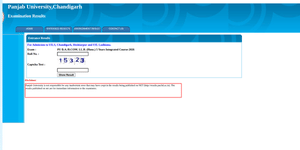
PU CET UG Result 2026 OUT: Direct Link to Check Scores
PU CET UG Result 2026 OUT: The Punjab University, Chandigarh, has released the PU CET UG result 2026 two days before the scheduled date. Candidates should enter their PU CET UG exam roll number to get access to the result 2026. The PU CET UG result will be available in the PDF format, where the candidates will find the details like the qualifying status, section-wise marks, and overall rank secured by the candidates. The mode of getting access to the PU CET UG result link is online only. For the same, the candidates are advised to visit any of the official websites such as cetug.puchd.ac.in (Main Admission Portal) or results.puexam.in (Examination Results Portal). Note that the authority has not issued any separate result card for the candidates. Only they can check whether they are eligible for admission or not.

Mumbai University PG Admission 2026 Registration Last Date Extended: Check revised schedule here
Mumbai University PG Admission 2026: The University of Mumbai has notified via its official X (formerly Twitter) handle that the last date for registering and submitting the online application form for admissions to postgraduate programs in 2026-27 has been extended. Students now have up until May 30, 2026, to register themselves for the various courses available, including Post Graduate Degree programs, PG Diploma Courses, and Fourth Year Honors Programs offered by affiliated colleges and university departments.

Dibrigarh University closes DUAT 2026 Application Form on May 28: Last chance to apply
DUAT 2026 Registration: Dibrugarh University will close the online application process for the Dibrugarh University Admission Test (DUAT) 2026 on May 28, 2026, for admission into various postgraduate programmes offered by the university for the academic session 2026-27. Candidates who have not yet completed the registration process can submit their applications through the official admission portal before the deadline expires.
Top Courses at Amity University Noida
Related Questions

Similar Colleges


Explore More Science Colleges in Uttar Pradesh
- By State
- By City
By Degree
By Specialization
By Degree
By Specialization

