

 AP Inter 1st Year Biology Answer Key 2026 LIVE Updates
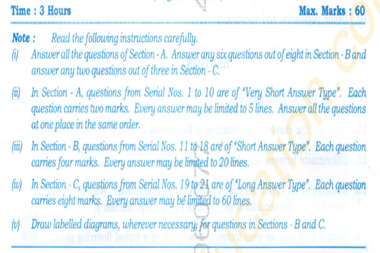
AP Inter 1st Year Biology Answer Key 2026 Live: The AP Inter 1st Year Biology exam was successfully conducted on March 5, 2026, from 9 AM to 12 PM. As per the feedback, the exam was of a Moderate to Tough difficulty level. The merging of Botany and Zoology into a single paper made the paper lengthy and hard to complete in allocated time. Provided below is the AP Inter 1st Year Biology Answer Key 2026 along with the exam analysis and student feedback.
AP Inter 1st Year Biology Answer Key 2026 (Unofficial)
Here is the AP Inter 1st Year Biology 2026 Answer Key:Question No. | Question | Answer |
|---|---|---|
Section A | ||
1 | Diatomaceous Earth is indestructible due to cell walls embedded by - | (2) Silica |
2 | Identify the secondary metabolite - | (4) Rubber |
3 | The stage between meiosis-I and meiosis-II is ... | Interkinesis |
4 | ... is the major limiting factor for photosynthesis. | CO2 concentration |
5 | In glucose how many carbon molecules are present? | 6 |
Section B | ||
6 | Main criteria used for classification by Whittaker. | Cell structure, body organization, mode of nutrition, reproduction, and phylogenetic relationships. |
7 | Differentiate actinomorphic from zygomorphic flower. | Actinomorphic: Radial symmetry (e.g., Mustard). Zygomorphic: Bilateral symmetry (e.g., Pea). |
8 | What is meant by parthenocarpic fruit? | Fruits developed without fertilization of the ovary; usually seedless (e.g., Banana). |
9 | What is middle lamella made of? Functional significance? | Made of Calcium pectate. It acts as a cementing layer between neighbouring plant cells. |
10 | Match polysaccharides: (a) Cotton fibre, (b) Exoskeleton of cockroach, (c) Liver, (d) Peeled potato. | (a) Cellulose, (b) Chitin, (c) Glycogen, (d) Starch. |
11 | Processes in grana and stroma regions of chloroplast. | Grana: Light Reaction. Stroma: Dark Reaction (Calvin Cycle). |
12 | What is apical dominance? Name the growth hormone. | Growth of the apical bud inhibits lateral buds. Caused by Auxin. |
Section C | ||
13 | Differentiate between red algae and brown algae. | Red: Phycoerythrin pigment, floridean starch storage. Brown: Fucoxanthin pigment, mannitol/laminarin storage. |
14 | Explain different types of phyllotaxy with examples. | Alternate (Mustard), Opposite (Guava), and Whorled (Alstonia). |
15 | Classify chromosomes on centromere location. | Metacentric (middle), Sub-metacentric (off-centre), Acrocentric (near end), Telocentric (terminal). |
16 | Match Meiosis-I stages (Zygotene, Pachytene, etc.) | (a)-iii, (b)-v, (c)-i, (d)-vi, (e)-ii, (f)-iv. |
17 | Differentiate between C3 and C4 plants. | C3: 3-PGA is the first product, no Kranz anatomy. C4: OAA is the first product, has Kranz anatomy. |
18 | Physiological responses of gibberellins in plants. | Stem elongation (bolting), malt production, and delaying senescence. |
Section D | ||
20 | Give an account of glycolysis. | Occurs in the cytoplasm. Glucose is broken into 2 Pyruvate molecules, 2 ATP, and 2 NADH+H+. |
Section E | ||
21 | Biological names are printed in - | (3) italics |
22 | Which of the following is a pseudocoelomate? | (3) Ascaris |
23 | ... is known as graveyard of RBC. | Spleen |
24 | Process of releasing urine from the bladder. | Micturition |
Section F | ||
25 | What is binomial nomenclature? Give an example. | Naming species with Genus and specific epithet. Ex: Homo sapiens. |
26 | Excretory cells of flatworms and their other function? | Flame cells. Other function: Osmoregulation. |
28 | Name the heart sounds. When are they produced? | Lubb: Closure of AV valves. Dupp: Closure of semilunar valves. |
29 | Write the differences between actin and myosin. | Actin: Thin filament, has troponin. Myosin: Thick filament, has meromyosin heads. |
30 | What is a synapse? | The functional junction between two neurons for impulse transmission. |
31 | Hormone called ADH? Name the releasing gland. | Vasopressin. Released by the Posterior Pituitary. |
Section G | ||
32 | Salient features of the Phylum Porifera. | Cellular level of organization, ostia/osculum canal system, and choanocytes. |
34 | Describe the disorders of respiratory system in man. | Asthma (inflammation), Emphysema (alveolar damage), and Occupational disorders (fibrosis). |
35 | Write short notes on the ribs of human beings. | 12 pairs: 7 pairs True, 3 pairs False, and 2 pairs Floating ribs. |
37 | Effects of hypothyroidism and hyperthyroidism. | Hypo: Goitre, cretinism. Hyper: Graves' disease, high metabolic rate. |
Section H | ||
38 | Write notes on the working of the human heart. | Involves atrial systole, ventricular systole, and joint diastole (Cardiac Cycle). |
39 | Describe the excretory system of man. | Consists of the kidneys, ureters, bladder, and urethra. Nephrons filter blood to form urine. |
AP Inter 1st Year Biology Exam 2026: High-Weightage Chapters & Marks Distribution
The Biology paper (Botany and Zoology) carries 60 marks each. The question paper is split into three sections.
AP Inter 1st Year Botany Weightage Table 2026
In Botany, Plant Physiology and Anatomy carry the highest weightage. If you have command over these, you can easily secure 50% of your marks.
| Unit / Chapter Name | Total Marks |
| Biological Classification | 3 |
| Plant Kingdom | 4 |
| Morphology of Flowering Plants | 8 |
| Anatomy of Flowering Plants | 8 |
| Cell: The Unit of Life | 6 |
| Biomolecules | 3 |
| Cell Cycle and Cell Division | 5 |
| Photosynthesis in Higher Plants | 7 |
| Respiration in Plants | 9 |
| Plant Growth and Development | 6 |
| TOTAL | 59 |
AP Inter 1st Year Zoology Weightage Table 2026
In Zoology, Human Physiology carries the maximum weightage, from which 8-mark questions are usually asked. Therefore, practice topics such as Body Fluids & Circulation, Excretory Products & Elimination effectively.
| Name of the Chapter | Total Marks |
| The Living World | 3 |
| Animal Kingdom | 7 |
| Structural Organisation (Tissues) | 4 |
| Breathing and Exchange of Gases | 6 |
| Body Fluids and Circulation | 11 |
| Excretory Products & Elimination | 9 |
| Locomotion and Movement | 6 |
| Neural Control and Coordination | 6 |
| Chemical Coordination | 6 |
| Total | 58 Marks |
AP Inter 1st Year Biology Exam 2026 Live
12 45 PM IST - 05 Mar'26
Answer Key Released
The AP Inter 1st Year Biology Answer Key 2026 has been released! Cross-check your responses and get an idea about your exam performance.
12 00 PM IST - 05 Mar'26
Exam Concludes: Final Review And Analysis
The AP Inter 1st Year Biology Exam is now over! We will be back shortly with the Botany and Zoology Paper Analysis, answer key solutions, and student reactions!
11 00 AM IST - 05 Mar'26
The 8-Mark Final Push: Section C
Dedicating this hour to the Long Answer Questions (LAQs) is crucial. Use 15 minutes per diagram to ensure they are large, clean, and correctly labeled. Ensure your theory covers all the technical headings (e.g., for Urine Formation: Filtration, Reabsorption, Secretion).
10 00 AM IST - 05 Mar'26
Transition To Section B: Quality Over Quantity
You should be moving into the Short Answer Questions (SAQs) now. Choose the 6 questions you can draw diagrams for. Even if not asked, a small 1-inch diagram for questions on Animal Tissues or Plant Kingdom can secure those 4 marks instantly.
09 00 AM IST - 05 Mar'26
AP Inter 1st Year Biology Exam 2026 Starts: Section A Momentum
The paper is now in your hands. Start with Section A (VSAQs). Answering the first 10 questions correctly builds immediate confidence and creates a positive impression on the evaluator. Read every question twice before writing.
08 00 AM IST - 05 Mar'26
Exam Hall Instructions And Mental Prep
Ensure you have your hall ticket, sharp pencils, and pens. Remember the 32-page booklet rule: you get no extra sheets. Plan your handwriting size and diagram scale accordingly. Stay calm—you have covered the syllabus effectively.
07 00 AM IST - 05 Mar'26
Final Blueprint Audit: Marks Distribution
Ensure you aren't over-studying low-weightage chapters. Remember: Botany Respiration (9 marks) and Zoology Body Fluids (11 marks) are your highest priorities. If you are weak in any of these, spend your final study hour here.
06 00 AM IST - 05 Mar'26
The "Sure-Shot" VSAQ Flashcards
Quickly scan definitions for: Haematocrit value, Jacobson’s organs, Parthenocarpy, and Phyllotaxy. These specific technical terms are the favorites of BIEAP paper setters for the 2-mark Section A.
05 00 AM IST - 05 Mar'26
Physiology Flowchart Revision
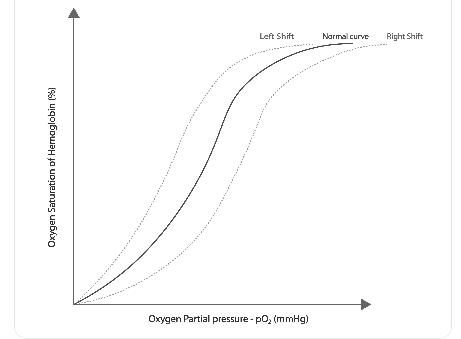
Focus on the Oxygen-Haemoglobin Dissociation Curve and the Z-Scheme of Photosynthesis. These are conceptual heavy-hitters that often appear as 4-mark questions. Understanding the "shift to the right" or the "electron transport chain" is vital.
04 00 AM IST - 05 Mar'26
Early Morning Diagram Warm-Up
Take a fresh sheet of paper and draw the Mature Angiosperm Embryo Sac and the Multipolar Neuron one last time. Drawing helps "muscle memory," ensuring your hand doesn't hesitate during the high-pressure environment of the exam hall.
03 00 AM IST - 05 Mar'26
Diversity And Taxonomy Terminology
The early morning hours are best for "rote memory" topics. Re-verify the taxonomic hierarchy (Kingdom to Species) and the characteristics of Archaebacteria and Dinoflagellates. These carry a total of 6-8 marks across Botany and Zoology VSAQs.
02 00 AM IST - 05 Mar'26
The Cell Biology Score Boosters
Recall the difference between Mitosis and Meiosis Prophase I stages. Since these units (Cell Unit, Biomolecules, and Cell Cycle) contribute a combined 14 marks to the Botany paper, having these terms fresh in your mind is essential for the Section B Short Answer Questions.
01 00 AM IST - 05 Mar'26
Subconscious Recall: Hormone Functions
If you wake up briefly, do a quick mental check of the Pituitary Hormones and Plant Growth Regulators. These 2-mark and 4-mark questions from Chemical Coordination and Plant Growth are frequent "early paper" questions that set the tone for your writing.
12 00 AM IST - 05 Mar'26
Sleep Strategy And Memory Consolidation
Your brain needs rest to recall complex pathways like the C3/C4 Cycles and the Sliding Filament Theory. Close your books and get at least 5-6 hours of sleep. Information retrieval during the exam is significantly higher when the mind is rested, especially for the 10 compulsory VSAQs.
11 00 PM IST - 04 Mar'26
Diagram Recall: Labels To Watch Out For
Review the small but critical labels that examiners look for. For the Nephron, ensure you've marked the Afferent and Efferent arterioles correctly. For the Dicot Stem, identify the Protoxylem (endarch) clearly. Accuracy in these small details often separates a 7-mark answer from a perfect 8-mark score.
10 00 PM IST - 04 Mar'26
The Final 8-Mark Checklist: Botany vs. Zoology
Before you sleep, do a final mental walk-through of the only four chapters that can provide 8-mark questions. In Botany, ensure you know the T.S. of a Dicot Stem and the Glycolysis steps. In Zoology, prioritize the Internal Structure of the Human Heart and the Physiology of Urine Formation.
09 00 PM IST - 04 Mar'26
Final Exam Hall Tips And Instructions
- Instruction Check: Use the first 15 minutes of the exam to read the paper and select your optional questions.
- Booklet Tip: The 32-page answer booklet is all you get—no extra sheets are provided, so space your diagrams wisely.
- Strategy: Start with Section A (VSAQs) to build momentum and ensure all compulsory points are captured early.
08 45 PM IST - 04 Mar'26
Time Management Strategy: The 180-Minute Plan
- Section A (VSAQs): Allocate 30 minutes for the 10 compulsory 2-mark questions.
- Section B (SAQs): Dedicate 75 minutes to the 6 questions you choose out of 8.
- Section C (LAQs): Allow 60 minutes for the 2 detailed 8-mark answers.
- Final Review: Use the last 15 minutes to underline scientific terms and check question numbering.
08 30 PM IST - 04 Mar'26
Zoology Diagram Final Checklist: Section C
- LAQ Selection: Your 8-mark choice usually falls between Circulation (Heart) and Excretion (Urine Formation/Nephron).
- Presentation: Always use a blue/black pen for theory and a pencil for diagrams.
- Detail Check: In the Heart diagram, ensure the valves (Bicuspid/Tricuspid) are correctly positioned.
08 15 PM IST - 04 Mar'26
Botany Diagram Final Checklist: Section C
- LAQ Review: You must choose one 8-mark question between Anatomy (Dicot Stem) and Respiration (Glycolysis).
- Marking Rule: 4 marks for the diagram and 4 marks for the theory—don't sacrifice one for the other.
- Check: Ensure you have practiced the Dicot Root anatomy as a backup for the stem.
08 00 PM IST - 04 Mar'26
The Living World: Zoology Introductory 3 Marks
- Unit Focus: The Living World (3 Marks).
- Distribution: Consists of one 1-mark and one 2-mark question.
- VSAQ Essentials: Definitions of Genus, Species, and Herbarium are frequent picks.
- Rule: Maintain scientific nomenclature format (Capitalized Genus, lowercase species).
07 45 PM IST - 04 Mar'26
Cell Unit Of Life: Botany Organelle Check
- Chapter Weightage: Cell: The Unit of Life (6 Marks).
- Format: Distributed as one 1-mark and one 4-mark question.
- Top Prediction: Structure and function of Mitochondria or Nucleus for the 4-mark section.
- Diagram Strategy: Ensure labels for the inner membrane and cristae are accurate.
07 30 PM IST - 04 Mar'26
Structural Organisation: Zoology Tissues 4-Mark Block
- Weightage: Structural Organisation in Animals (4 Marks).
- Pattern: This chapter is dedicated strictly to one 4-mark SAQ.
- Target Topics: Types of Epithelial tissues or Connective tissues (like Areolar or Adipose).
- Accuracy: Use a table to compare tissue types for maximum clarity
07 15 PM IST - 04 Mar'26
Plant Growth Hormones: Botany 6-Mark Quick Scan
- Unit Focus: Plant Growth and Development (6 Marks).
- Structure: Comprises one 1-mark and one 4-mark SAQ.
- Key Hormones: Master the functions of Auxins, Gibberellins, and Abscisic Acid (ABA).
- VSAQ Focus: Definitions for "Vernalization" and "Photoperiodism
07 00 PM IST - 04 Mar'26
Breathing And Exchange: Zoology Respiratory Revision
- Chapter Weightage: Breathing and Exchange of Gases (6 Marks).
- Distribution: Expected as one 2-mark and one 4-mark question.
- SAQ Focus: Transport of CO2 in blood or Respiratory volumes (TV, IRV, ERV).
- Diagram Potential: A small sketch of the Alveolar gas exchange site can boost marks.
06 45 PM IST - 04 Mar'26
Plant Kingdom And Biomolecules: Botany Score Boosters
- Plant Kingdom (4 Marks): This unit is strictly for one 4-mark SAQ (usually characters of Pteridophytes or Bryophytes).
- Biomolecules (3 Marks): Consists of one 1-mark and one 2-mark question.
- Precision: Know the difference between essential and non-essential amino acids for Biomolecules.
06 30 PM IST - 04 Mar'26
Chemical Coordination And Integration: Zoology 6-Mark Duo
- Weightage: Chemical Coordination and Integration (6 Marks).
- Format: Consists of one 2-mark question and one 4-mark SAQ.
- Hormone Focus: Pituitary hormones and their specific target organs are primary 4-mark targets.
- SAQ Candidate: Mechanism of hormone action (Fixed vs. Mobile receptors).
06 15 PM IST - 04 Mar'26
Biological Classification: Botany 3-Mark Basics
- Total Marks: Biological Classification provides 3 marks (one 1-mark and one 2-mark question).
- Quick Review: Focus on the characteristics of Archaebacteria, Dinoflagellates, and Mycoplasma.
- VSAQ Alert: Definitions for "Heterotrophic" and "Autotrophic" are common scoring points here.
06 00 PM IST - 04 Mar'26
Locomotion And Movement: Zoology Section B Revision
- Unit Focus: Locomotion and Movement (6 Marks).
- Distribution: Expected as one 2-mark question and one 4-mark SAQ.
- Key Theory: The Sliding Filament Theory of muscle contraction is a top 4-mark prediction.
- Terminology: Review the types of synovial joints for the 2-mark section.
05 45 PM IST - 04 Mar'26
Botany Respiration: The 9-Mark Power Unit
- Weightage Overview: Respiration in Plants carries 9 total marks.
- Structure: Comprises one 1-mark question and one 8-mark LAQ.
- Sure-Shot Prediction: Glycolysis (EMP Pathway) flowchart is a near-certain 8-mark requirement.
- Energy Yield: Be ready to calculate the total ATP produced in aerobic respiration for VSAQs
05 30 PM IST - 04 Mar'26
Neural Control And Coordination: Zoology 6-Mark Insight
- Chapter Weightage: Neural Control and Coordination (6 Marks).
- Question Format: Typically split into one 2-mark VSAQ and one 4-mark SAQ.
- Probable SAQ: The mechanism of nerve impulse transmission or the structure of a multipolar neuron.
- Diagram Task: Practice the Reflex Arc diagram; it is a frequent request for 4-mark scores
05 15 PM IST - 04 Mar'26
Cell Cycle And Division: Botany’s 5-Mark Anchor
- Target Chapter: Cell Cycle and Cell Division (5 Marks).
- Pattern: Distribution consists of one 1-mark and one 4-mark question.
- Priority Topic: Prophase I of Meiosis (Leptotene to Diakinesis) is the most probable 4-mark SAQ.
- Visual Check: Ensure you can sketch the stages of chromosome alignment in Metaphase.
05 00 PM IST - 04 Mar'26
Excretion And Elimination: The 9-Mark Zoology Heavy-Hitter
- Unit Focus: Excretory Products and their Elimination (9 Marks).
- Structure: This unit typically yields one 1-mark question and one 8-mark LAQ.
- Core Question: Physiology of Urine Formation (Filtration, Reabsorption, Secretion) is a top 8-mark candidate.
- Alternative: Be prepared to describe the structure of a Nephron with a neat diagram.
04 45 PM IST - 04 Mar'26
Plant Physiology Alert: Photosynthesis Weightage
- Chapter Weightage: Photosynthesis in Higher Plants (7 Marks).
- Distribution: This unit spans 1-mark, 2-mark, and 4-mark questions.
- SAQ Prediction: Differences between C3 and C4 pathways (Kranz Anatomy) are highly likely for the 4-mark section.
- VSAQ Focus: Know the primary CO2 acceptor and the enzyme Rubisco for the objective bits
04 30 PM IST - 04 Mar'26
Animal Kingdom Roadmap: Zoology’s 7-Mark Section
- Weightage Analysis: Animal Kingdom accounts for 7 total marks in the Zoology paper.
- Expected Pattern: Distribution includes one 1-mark, one 2-mark, and one 4-mark question.
- Classification Strategy: Focus on the distinguishing features of Phylum Chordata and Phylum Arthropoda.
- Terminology Alert: Ensure you know the definitions for bilateral symmetry and coelom types for the VSAQ section.
04 15 PM IST - 04 Mar'26
Botany Morphology Drill: Securing Section B Marks
- Chapter Focus: Morphology of Flowering Plants (8 Marks).
- Marks Split: Usually distributed as two 1-mark questions and one 4-mark Short Answer Question (SAQ).
- Probable SAQ: Be prepared for questions on root modifications or stem modifications (like tuber, rhizome, or phylloclade).
- Precision Tip: For 4-mark answers, aim for at least eight distinct points with a small supporting sketch
04 00 PM IST - 04 Mar'26
Zoology Human Physiology Mastery: The 11-Mark Leader
- High-Weightage Unit: Body Fluids and Circulation (11 Marks).
- Question Breakdown: This chapter typically provides one 1-mark question, one 2-mark question, and one 8-mark LAQ.
- Expected LAQ: The internal structure of the Human Heart is a recurring favorite for the 2026 session.
- Key Detail: Don't forget to review the conduction system of the heart, including the SA and AV nodes.
03 45 PM IST - 04 Mar'26
Final Anatomy Verification: Botany Section C Prep
- Target Chapter: Anatomy of Flowering Plants (8 Marks).
- Probability Alert: This unit is dedicated strictly to one 8-mark Long Answer Question (LAQ).
- Sure-Shot Question: Focus on the T.S. of a Dicot Stem. Ensure you can identify and label the vascular bundles, cambium, and pith.
- Diagram Reminder: In Botany, an unlabeled diagram earns zero credit—practice drawing the internal structure of the stem with a sharp pencil.
03 30 PM IST - 04 Mar'26
Last Minute Memory Hack: High-Yield Botany Keywords
- Morphology: Phyllotaxy, Aestivation, and Placentation.
- Cell Biology: Fluid Mosaic Model, Mitochondria Matrix, and Centromere.
- Physiology: Photolysis of Water, ATP Synthase, and Fermentation.
- Final Note: The Botany paper (59 marks) rewards students who use precise scientific terminology in the 4-mark and 8-mark sections.
03 15 PM IST - 04 Mar'26
Time Management Strategy: The 180-Minute Breakdown
- Section A (VSAQ): 20 minutes for both subjects; keep answers under 5 lines.
- Section B (SAQ): 80 minutes; focus on the 6 best answers out of the 8 provided.
- Section C (LAQ): 60 minutes; allow 15 minutes per diagram for high accuracy.
- Final Review: 20 minutes to check question numbers and labels.
03 00 PM IST - 04 Mar'26
The 8-Mark Diagram Checklist: Zoology Section C
- Body Fluids & Circulation: Internal structure of the Human Heart is a top prediction.
- Excretory Products: Structure of the Nephron or Physiology of Urine Formation.
- Diagram Marks: A neat, labeled diagram can secure up to 4 marks out of 8 even if the theory is brief.
- Final Check: Practice the valves and chambers of the heart to avoid simple errors.
02 45 PM IST - 04 Mar'26
The 8-Mark Diagram Checklist: Botany Section C
- Anatomy of Flowering Plants: The T.S. of a Dicot Stem is the most likely 8-mark question.
- Respiration: The Glycolysis flowchart is a 100% "sure-shot" for the 8-mark section.
- Labeling Rule: Always label on the right side of the diagram for maximum presentation marks.
- Sharp Pencil: Ensure all anatomical structures in Botany are clearly defined.
02 30 PM IST - 04 Mar'26
Zoology Section A Mastery: The Living World And Terminology
- The Living World (3 Marks): One 1-mark and one 2-mark question.
- Chemical Coordination (6 Marks): Provides 2 marks through a specific terminology question.
- Precision Tip: In the 1-mark section, provide the exact definition of Genus or Species.
- Score Booster: Ensure you know the hormone sources for the 2-mark Zoology questions.
02 15 PM IST - 04 Mar'26
Botany VSAQ Flash: The 1-Mark And 2-Mark Compulsory Points
- Marks Available: Botany features 10 questions in the 1-mark and 2-mark categories.
- Source Units: Diversity in the Living World and Biomolecules are key 1-mark sources.
- Plant Kingdom (4 Marks): Note that this chapter is strictly for one 4-mark SAQ.
- Precision: VSAQ answers must be scientific; use terms like "G0 phase" or "Zwitterion".
02 00 PM IST - 04 Mar'26
Zoology Locomotion And Respiration: The Final 12 Marks
- Breathing & Exchange of Gases (6 Marks): One 2-mark and one 4-mark question.
- Locomotion and Movement (6 Marks): One 2-mark and one 4-mark question.
- Volume Definitions: Memorize Tidal Volume (TV) and Vital Capacity for the 2-mark Zoology section.
- Muscle Contraction: The Sliding Filament Theory is a top 4-mark prediction for Locomotion.
01 45 PM IST - 04 Mar'26
The Cell Biology Trio: Botany's 14-Mark Scoring Zone
- Cell: The Unit of Life (6 Marks): One 1-mark and one 4-mark question.
- Cell Cycle & Division (5 Marks): One 1-mark and one 4-mark question.
- Biomolecules (3 Marks): One 1-mark and one 2-mark question.
- Prophase I: Study the stages of Meiosis I strictly for the 4-mark Botany SAQ.
01 30 PM IST - 04 Mar'26
Zoology Coordination Duo: Neural And Chemical Integration
- Neural Control & Coordination (6 Marks): One 2-mark and one 4-mark question.
- Chemical Coordination (6 Marks): One 2-mark and one 4-mark question.
- Combined Weightage: These two units provide 12 marks, primarily in Sections A and B.
- Reflex Arc: A high-probability 4-mark diagram candidate for the Neural unit.
01 15 PM IST - 04 Mar'26
Plant Physiology Deep Dive: Photosynthesis And Growth
- Photosynthesis in Higher Plants (7 Marks): Distributed across 1-mark, 2-mark, and 4-mark questions.
- Plant Growth & Development (6 Marks): Features one 1-mark and one 4-mark question.
- Key Cycle: Practice the C3 and C4 pathways (Kranz Anatomy) for the 4-mark section.
- Hormone Focus: Revise the functions of Auxins and Gibberellins for the Growth unit.
01 00 PM IST - 04 Mar'26
Animal Kingdom And Tissues: Zoology's 11-Mark Section B Source
- Animal Kingdom (7 Marks): Balanced with one 1-mark, one 2-mark, and one 4-mark question.
- Structural Organisation (4 Marks): Strictly a 4-mark unit focusing on Animal Tissues.
- SAQ Selection: Use these 11 marks to secure 2 out of your 6 required 4-mark answers in Zoology.Phylum
- Study: Prioritize the distinguishing features of Phylum Chordata and Arthropoda
12 45 PM IST - 04 Mar'26
Botany Morphology And Classification: The 11-Mark Foundation
- Morphology of Flowering Plants (8 Marks): Includes two 1-mark questions and one 4-mark Short Answer Question (SAQ).
- Biological Classification (3 Marks): Primarily provides 1-mark and 2-mark questions.
- SAQ Focus: Expect root or stem modifications to appear in the 4-mark Botany section.
- Taxonomy Tip: Memorize the floral formulas for the Fabaceae and Solanaceae families.
12 30 PM IST - 04 Mar'26
Zoology Human Physiology: The 20-Mark Circulation And Excretion Duo
- Body Fluids and Circulation (11 Marks): The highest-weightage unit in Zoology, featuring one 8-mark, one 2-mark, and one 1-mark question.
- Excretory Products & Elimination (9 Marks): Features one 8-mark and one 1-mark question.
- Structure of Heart: A "must-practice" 8-mark diagram for the Circulation unit.
- Nephron Physiology: Prepare the steps of urine formation for the Excretion 8-mark candidate.
12 15 PM IST - 04 Mar'26
The 19-Mark Botany Power Block: Respiration And Anatomy
- Respiration in Plants (9 Marks): This chapter is a primary source for the 8-mark Long Answer Question (LAQ).
- Anatomy of Flowering Plants (8 Marks): Dedicated strictly to one 8-mark LAQ; focus on the T.S. of a Dicot Stem.
- Blueprint Strategy: Mastering these two chapters alone covers nearly 30% of the Botany paper.
- Calculation: Combined with one 1-mark question from Respiration, this block secures 17 to 19 marks.
12 00 PM IST - 04 Mar'26
Chemical Coordination and Integration: Final Zoology Push
- Total Weightage: This final chapter carries 6 marks.
- Pattern: One 2-mark and one 4-mark question are usually selected.
- Endocrine Glands: Focus on the Pituitary hormones and their target organs.
- Hormone Action: Briefly review the "Second Messenger" mechanism for protein hormones to secure Section B marks.
11 45 AM IST - 04 Mar'26
Biological Classification and Diversity: Botany's Foundation
- Weightage Summary: Biological Classification provides 3 marks, while the Plant Kingdom provides 4 marks.
- SAQ Source: The Plant Kingdom unit is dedicated to providing one 4-mark question.
- VSAQ Source: Expect 1-mark and 2-mark questions from Biological Classification.
- Key Terms: Revise Mycoplasma, Diatoms, and Alternation of Generations before the midday break.
11 30 AM IST - 04 Mar'26
Locomotion and Movement: Zoology 6-Mark Drill
- Total Marks: This unit accounts for 6 marks in the Zoology session.
- Question Structure: The blueprint specifies one 2-mark and one 4-mark question.
- Skeletal Muscle: Focus on the Sliding Filament Theory for the 4-mark SAQ.
- Joints: Know the examples of Ball and Socket vs. Hinge joints for the 2-mark section.
11 15 AM IST - 04 Mar'26
Plant Growth and Development: Botany 6-Mark Quick Fix
- Weightage Fact: Plant Growth and Development carries 6 total marks.
- SAQ Focus: Expect a 4-mark question on Plant Growth Regulators (PGRs) like Auxins or Gibberellins.
- Growth Curves: Be able to draw the Sigmoid Growth Curve and explain the stationary phase.
- VSAQ Target: One 1-mark question will likely focus on "Vernalization" or "Photoperiodism".
11 00 AM IST - 04 Mar'26
Neural Control and Coordination: Zoology 6-Mark Analysis
- Unit Weightage: This chapter is consistently allocated 6 marks.
- SAQ and VSAQ: Expect a 4-mark question on the Mechanism of Nerve Impulse and a 2-mark question on brain parts.
- Reflex Arc: Practice the schematic diagram showing the sensory and motor neuron pathway.
- Synaptic Transmission: Focus on the role of Neurotransmitters like Acetylcholine for VSAQs.
10 45 AM IST - 04 Mar'26
Photosynthesis Pathways: Securing The 7 Botany Marks
- Marks Distribution: Photosynthesis in Higher Plants provides 7 marks in the Botany paper.
- Comprehensive Coverage: This unit spans 1-mark, 2-mark, and 4-mark questions.
- Cyclic vs Non-Cyclic: Be ready to differentiate between Cyclic and Non-cyclic photophosphorylation in Section B.
- C4 Pathway: Memorize the Kranz Anatomy—it is a "sure-shot" keyword for 4-mark descriptive answers.
10 30 AM IST - 04 Mar'26
Animal Kingdom Classification: Zoology 7-Mark Roadmap
- Chapter Weightage: Animal Kingdom is a critical unit carrying 7 marks.
- Sectional Split: The blueprint indicates one 1-mark, one 2-mark, and one 4-mark question.
- Chordate Features: Practice the primary four characters of Chordates for a quick 4-mark score.
- Classification Trick: Focus on the unique features of Arthropoda (jointed appendages) and Mollusca (radula).
10 15 AM IST - 04 Mar'26
Morphology of Flowering Plants: The 8-Mark Botany Anchor
- Total Value: Morphology of Flowering Plants is a high-yield chapter totaling 8 marks.
- Question Format: The marks are typically split into two 1-mark questions and one 4-mark SAQ.
- Root and Stem: Prioritize the modifications of Tap roots and underground stems (Tuber, Rhizome).
- Floral Formulas: Ensure you can write the floral formula for the Fabaceae or Solanaceae families accurately.
10 00 AM IST - 04 Mar'26
Breathing and Exchange: Zoology 6-Mark Essentials
- Weightage Overview: This chapter contributes exactly 6 marks to the Zoology paper.
- Question Split: Expect one 2-mark VSAQ and one 4-mark SAQ from this unit.
- Transport of Gases: Focus on the Chloride Shift and the Bohr Effect for short-answer precision.
- Vital Capacity: Memorize the definitions of TV, IRV, and ERV, as these are frequent 2-mark candidates.
09 45 AM IST - 04 Mar'26
The Cell Cycle Breakdown: Botany 5-Mark Strategy
- Mitosis Focus: Cell Cycle and Cell Division carries 5 marks in total.
- Prophase I: Be prepared to describe the sub-stages of Prophase I (Leptotene to Diakinesis) for a 4-mark SAQ.
- VSAQ Potential: Expect at least one 1-mark question from this unit, likely focusing on the "S-phase" or "G0 phase".
- Diagram Tip: Practice the stages of Metaphase and Anaphase; clear chromosome alignment is key for full marks.
09 30 AM IST - 04 Mar'26
Coordination And Integration: The 12-Mark Zoology Power Duo
As we approach midday, focus on the combined 12 marks from Neural Control and Chemical Coordination.
- Neural Control (6 Marks): Master the structure of the Reflex Arc and the mechanism of a nerve impulse.
- Chemical Coordination (6 Marks): Re-verify the functions of the Pituitary, Thyroid, and Adrenal hormones.
- Visual Aid: Be prepared to draw a simple diagram of the Synapse or the Human Eye/Ear if a 4-mark question appears.
09 15 AM IST - 04 Mar'26
The Breathing And Exchange Masterclass: 6-Mark Focus
Breathing and Exchange of Gases is a consistent unit that yields 6 marks through a combination of 2-mark and 4-mark questions.
- Transport of Gases: Review the Oxyhaemoglobin dissociation curve and the factors affecting it.Respiratory
- Volumes: Memorize the definitions for Tidal Volume (TV), Inspiratory Reserve Volume (IRV), and Vital Capacity.
Quick Note: For SAQs in this chapter, always mention the partial pressure ($pO_2$) values to demonstrate technical accuracy.
09 00 AM IST - 04 Mar'26
Mid-Morning Zoology Strategy: Securing The 58 Marks
With the morning half done, refocus on the Zoology weightage. The paper is structured to offer 58 total marks, requiring a 60/60 mindset.
- Animal Kingdom (7 Marks): Ensure you have at least four distinct characteristics for each major phylum ready for a potential SAQ.
- Structural Organisation (4 Marks): This unit is a dedicated source for one 4-mark question; focus on epithelial and connective tissue types.
- Blueprint Check: Remember that Zoology has a higher frequency of 4-mark questions (24 marks total) compared to Botany.
08 45 AM IST - 04 Mar'26
Final Botany Memory Boosters: High-Yield Terminology
As you move into the final hour of your morning session, scan these high-impact terms from the Botany syllabus to keep them fresh.
- Morphology & Diversity: Quickly review Parthenocarpy, Placentation, and the differences between Cyme and Raceme inflorescence.
- Scientific Precision: Focus on the 2-mark definitions from Biological Classification and Biomolecules, which together account for 6 marks.
Presentation Tip: Use bullet points for all theory answers and box your final scientific definitions to make them stand out to the evaluator.
08 30 AM IST - 04 Mar'26
Last-Minute Memory Boosters: Keywords And Concepts
In the final 15 minutes of study, scan these high-impact terms to keep them fresh for the exam.
- Botany: Parthenocarpy, Placentation, and Inflorescence types (Cyme/Raceme).
- Zoology: Homeostasis, Oxyhaemoglobin dissociation curve, and Counter-current mechanism.
Presentation: Use bullet points for all theory answers and box your final scientific terms or definitions to stand out.
08 15 AM IST - 04 Mar'26
Photosynthesis And Respiration: The Botany Energy Duo
With 16 total marks between these two chapters, focus on the energetic pathways.
- Z-Scheme & C3/C4: Review the light reaction and the key differences between Calvin and Hatch-Slack cycles.
- Aerobic Respiration: Ensure you can distinguish between Glycolysis (cytoplasm) and the Krebs Cycle (mitochondria) for 2-mark or 4-mark answers.
- Energy Yield: Remember that Respiration alone carries 9 marks, making it a primary target for the 8-mark LAQ
08 00 AM IST - 04 Mar'26
Neural Control And Chemical Integration: The 12-Mark Zoology Duo
These two chapters combined contribute 12 marks to the Zoology paper.
- The Reflex Arc: A simple diagram of the pathway from receptor to effector is a frequent 4-mark request
- Endocrine Glands: Focus on the Pituitary and Thyroid hormones for 2-mark and 4-mark questions.
- Action Potential: Review the "Depolarization" and "Repolarization" phases for quick conceptual points.
07 45 AM IST - 04 Mar'26
Morphology And Classification: Final Botany "Sure-Shots"
Don't let the 8 marks from Morphology of Flowering Plants slip away.
- Flower Description: Be prepared for technical descriptions of the Fabaceae, Solanaceae, or Liliaceae families.
- Biological Classification (3 Marks): Quickly review the 1-mark and 2-mark definitions for Archaebacteria and Dinoflagellates.
Focus: Prioritize "Floral Formulas" as they are high-impact for short answers.
07 30 AM IST - 04 Mar'26
Plant Growth Hormone Shortcuts: Quick Botany Scoring
Plant Growth and Development (6 Marks) is a consistent source for SAQs. Use these keywords for rapid revision:
- Auxins: Apical dominance and rooting.
- Gibberellins: Bolting and increasing stalk length.
- Cytokinins: Cell division and nutrient mobilization.
- ABA & Ethylene: Abscission and fruit ripening.
Memory Hack: Group them into "Promoters" vs. "Inhibitors" for easier recall during 4-mark answers.
07 15 AM IST - 04 Mar'26
Human Physiology Diagrams: The 11-Mark Zoology Masterclass
With Body Fluids and Circulation carrying the highest weightage of 11 marks, your diagram accuracy is non-negotiable.
- The Human Heart: Practice the longitudinal section showing the nodes (SA/AV), valves, and chambers.
- ECG Waves: For shorter questions, be ready to draw and label the P, QRS, and T waves, explaining what each represents.
Expert Tip: Always use a sharp pencil; labels on the right-hand side create a professional "topper" look.
07 00 AM IST - 04 Mar'26
Zoology Flashcards: High-Yield 2-Mark Terminology
The Zoology paper (58 total marks) relies heavily on precise definitions in its 2-mark section. Focus on these "frequently asked" concepts:
- The Living World (3 Marks): Learn the definitions of Species, Genus, and Herbarium.Neural Control & Coordination (6 Marks): Know the difference between Afferent and Efferent neurons or define a Reflex Arc.
- Chemical Coordination (6 Marks): Focus on hormone definitions, such as the Gastrointestinal hormones or the role of Erythropoietin.
Note: If a 2-mark question mentions a structure (like a neuron), a tiny 1-inch rough sketch can act as insurance for your marks.
06 45 AM IST - 04 Mar'26
The Anatomy Checklist: Securing The 8-Mark Botany LAQ
We are now entering the high-pressure revision zone. Re-verify your mastery of Chapter 4: Anatomy of Flowering Plants, which is a guaranteed 8-mark unit.
- T.S. of Dicot Root vs. Monocot Root: While the Dicot Stem is the top prediction, examiners often use the Dicot Root as an alternative.
- Key Identification Points: Focus on the Exarch Xylem and the Casparian Strips in the endodermis.
- Checklist: Does your diagram include the Epidermis (Epiblema), Cortex, Endodermis, and Vascular Bundles? If not, practice it right now.
06 30 AM IST - 04 Mar'26
Time Management Strategy: The 180-Minute Countdown
Efficiency is just as important as knowledge. With 21 total questions across three sections, use this expert-verified timeline to avoid the last-minute rush:
- Section A (VSAQs): Spend exactly 30 minutes (3 mins per question). These should be short, punchy, and completed first.
- Section B (SAQs): Allocate 75 minutes (approx. 12 mins per question). You only need to answer 6 out of 8.
- Section C (LAQs): Dedicate 60 minutes (30 mins per question). This includes 15 minutes for writing and 15 minutes for detailed diagrams.
- Review: Use the final 15 minutes to underline keywords and ensure all diagrams have labels on the right-hand side.
06 15 AM IST - 04 Mar'26
VSAQ Speed Round: Compulsory 2-Mark Botany Questions
Section A is the ultimate mark-booster because there is no room for ambiguity. Based on the 2026 blueprint, these specific chapters are your primary targets for the 10 compulsory 2-mark questions:
- Biological Classification (3 Marks): Be ready to define Heterotrophic Bacteria or provide the two main functions of the Cell Wall in Fungi.
- Biomolecules (3 Marks): Expect questions on the difference between Essential and Non-essential Amino Acids or the structure of a Zwitterion.
- Photosynthesis in Higher Plants (7 Marks): Memorize the Law of Limiting Factors or the primary CO2 acceptor in C3 vs. C4 plants.
Expert Tip: In VSAQs, never write more than 5 lines. Provide the definition and one scientific example to lock in both marks quickly.
06 00 AM IST - 04 Mar'26
The "Sure-Shot" 8-Marks: Excretory System Revision
It's time to lock in one of the most important Zoology questions from the Excretory Products and their Elimination (9 Marks) unit:
- The Structure of a Nephron: You must be able to draw and describe the Bowman’s Capsule, PCT, Henle’s Loop, and DCT.
- Physiology of Urine Formation: Understand the three-step process: Glomerular Filtration, Selective Reabsorption, and Tubular Secretion.
- Common Error: Many students forget to mention the Vasa Recta and its role in the counter-current mechanism. Don't let that be you!
05 45 AM IST - 04 Mar'26
Expert Short Notes: Cell Biology & Biomolecules
These chapters are often overlooked but contribute significantly to the total mark count. Here is your "Quick Recall" sheet:
- Cell: The Unit of Life (6 Marks): Focus on the Fluid Mosaic Model of the Plasma Membrane. Remember to label the phospholipid bilayer and proteins.
- Biomolecules (3 Marks): This unit is strictly for 1-mark and 2-mark questions. Quickly revise the types of Amino Acids and the structure of a Nucleotide
Pro-Tip: For Biomolecules, drawing a simple chemical structure (like Glucose or an Amino Acid) can act as a "silent" mark booster in the VSAQ section.
05 30 AM IST - 04 Mar'26
Zoology Must-Knows: The 4-Mark Short Answer List
For Zoology, Section B (SAQs) is where you can build a strong scoring foundation. Ensure you have these concepts ready:
- Animal Kingdom (7 Marks): Prepare the general characters of Phylum Chordata or Class Amphibia. Use bullet points for each characteristic to improve readability.
- Locomotion and Movement (6 Marks): The structure of the Synovial Joint or the Sliding Filament Theory are high-probability topics for the 2026 session.
- Neural Control & Coordination (6 Marks): Practice the diagram and functions of the Multipolar Neuron
05 15 AM IST - 04 Mar'26
The "Guess Paper" Series: Botany SAQ Predictions
In Section B of the Botany paper, you have the advantage of choice, but you must be strategic. Based on the 2026 marks distribution, these topics are highly likely to appear as 4-mark questions:
- Plant Kingdom (4 Marks): Focus on the characteristics of Pteridophytes or Bryophytes. These are classic candidates for a concise, four-point answer.
- Cell Cycle and Cell Division (5 Marks): Expect a 4-mark question on the Stages of Prophase I (Meiosis). A small diagram of the homologous chromosomes can secure full marks here.
- Morphology of Flowering Plants (8 Marks): Historically, Root Modifications (like storage or respiration) or Stem Modifications are examiners' favorites for Section B.
05 00 AM IST - 04 Mar'26
Diagram Checklist: Secure 50% Of Your Marks
In Biology, the diagram is often worth half the total question marks. Ensure you can draw these from memory:
- Botany: Mature Embryo Sac (Morphology), Mitochondria (Cell), and Dicot Root (Anatomy).
- Zoology: Internal Structure of Human Heart, Structure of a Nephron, and Synapse.
- Rule of Thumb: Always label on the right-hand side of the diagram to maintain a clean and professional look for the examiner.
04 45 AM IST - 04 Mar'26
VSAQ Rapid Fire: Compulsory 2-Mark Definitions
Section A has no internal choice. You must be prepared for these rapid-fire topics to avoid losing easy marks.
- Botany Must-Knows: Memorize definitions from Biological Classification (3 Marks) and Biomolecules (3 Marks). Keywords like "Heterospory" and "Double Fertilization" are common.
Zoology Must-Knows: The Living World (3 Marks) and Chemical Coordination (6 Marks) are high-yield for 2-mark definitions.
Precision Tip: VSAQ answers should be direct. A two-line definition with a technical example is sufficient for full credit.
04 30 AM IST - 04 Mar'26
Short Answer (4-Mark) Hotspots: Botany & Zoology
Section B requires you to be selective. Use these high-probability topics to fill your "Choice" quota.
- Botany Essentials: Morphology of Flowering Plants (8 Marks) often yields a 4-mark question on root or stem modifications. Plant Growth and Development (6 Marks) is another consistent 4-mark source.
- Zoology Essentials: Animal Kingdom (7 Marks) and Locomotion and Movement (6 Marks) are prime for 4-mark descriptive questions.
Expert Note: For 4-mark questions, aim for at least 8 to 10 points with a relevant small diagram to guarantee full marks.
04 15 AM IST - 04 Mar'26
Zoology Blueprint Breakdown: Where To Score 11 Marks
Zoology weightage is heavily skewed toward Human Physiology. Understanding this distribution is key to time management.
- Body Fluids and Circulation (11 Marks): This is the highest-weightage chapter in the entire Biology curriculum. Expect one 8-mark LAQ, one 2-mark VSAQ, and one 1-mark question.
- Excretory Products & Elimination (9 Marks): A dedicated source for 8-mark questions. Focus on the Physiology of Urine Formation.
- The "Safety" Zone: Mastering just these two chapters secures 20 marks out of the 58-mark total.
04 00 AM IST - 04 Mar'26
The Early Bird Advantage: High-Weightage Unit Overview
To achieve a score of 60/60, start by identifying where the marks are located. Focus on the main topics outlined in the official BIEAP blueprint.
- Botany Strategy: You must prioritize Respiration in Plants (10 Marks) and Anatomy of Flowering Plants (8 Marks). These are the primary sources for the 8-mark Long Answer Questions (LAQs).
- Zoology Strategy: Focus on Body Fluids and Circulation (11 Marks) and Excretory Products & Elimination (9 Marks). Together, they contribute nearly 35% of the total paper weightage.