
- We’re on your favourite socials!


 Aurangabad (Maharashtra)
 Gallery

Related News

KCET Biology Answer Key 2026 (Available): Check Your Answers, Estimate Your Score
The KCET 2026 Biology exam has been successfully conducted on April 24, 2026, from 2:30-3:50 PM. You will have to wait until the official keys are announced but in the meantime, using the KCET Biology unofficial answer key 2026 is the surest method of having a clear vision of your performance. A student who achieves 50 and above in Biology with a good overall rank is in actual contention in government medical colleges and a deficit of 5 marks can lead you down by several thousand ranks.
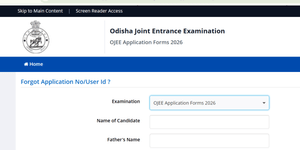
OJEE Admit Card 2026 to be Released on April 25: Steps to Retrieve Application Number, Password
OJEE Admit Card 2026: The OJEE Admit Card 2026 shall be released by the Odisha Joint Entrance Examination Committee on April 25, 2026, for the aspirants who will appear in the forthcoming entrance examination. Candidates who have successfully registered for the exam will be able to download their admit cards from the official website by logging in using their login credentials. An admit card is mandatory for entering the examination hall, and information related to the candidates' information, examination date, shift timings, center of examination, and other important information shall be mentioned on the same. It is suggested that the candidates should check their details upon receiving the admit card.

GPAT 2026 Result to be Declared Soon: Tentative Date, Expected Cutoff
GPAT 2026 result is expected to be released by April 7, 2026. The date has been shared on the official portal. You will be able to download the result by logging in using the required credentials. Along with the result, the authority will also release the exam cutoff. The GPAT cutoff 2026 will determine the minimum marks that you need to secure to clear the exam. As per previous trends, the cutoff is expected to range from 200-215 for General, 120-140 for OBC & EWS, 95-110 for SC, and 75-95 for ST.

When Will NIPER JEE 2026 Registration Begin?
NIPER JEE registration 2026 is likely to commence in April 2026. This expected date has been predicted keeping in mind the previous year's trends. Based on the trends, the registration deadline can be anticipated to be in the last month of May 2026. The complete NIPER JEE application process 2026 includes steps like registration, filling out the form with personal & academic qualifications, uploading the documents, payment of the requisite fee, and finally submitting the form.

OJEE 2026 Registration Closing Soon: Instructions to complete form filling process
OJEE 2026 registration is currently active in an online mode, and it will close on March 22, 2026. If not registered yet, you should ensure to do so as soon as possible. The process to apply for the exam includes steps like registration, filling out the form, uploading the required documents, paying the requisite fee, and finally submitting the form. While filling out the OJEE application form, you should make sure to abide by the instructions, such as entering all the correct details, uploading documents as per the specified size, etc.
Top Courses at Yashodeep Institute of Pharmacy
Related Questions
Admission Updates for 2026
CGC Landran
Mohali (Punjab)
Oriental University Indore
Indore (Madhya Pradesh)
Adhunik Group of Institutions
Ghaziabad (Uttar Pradesh)
Indus University
Ahmedabad (Gujarat)
Cheran Group of Institutions
Coimbatore (Tamil Nadu)
Related News







Similar Colleges


Explore More Engineering Colleges in Maharashtra
By Degree
By Specialization
By Degree
By Specialization

