
- We’re on your favourite socials!


 Baripada (Odisha)
 Gallery

Related News

DU 5-Year LLB Round 1 Seat Allotment 2026 Releasing on June 1: Check Complete Admission Schedule
DU 5-Year LLB Round 1 Seat Allotment: University of Delhi (DU) is all set to announce the Seat Allotment List for the course of 5-Year Integrated LLB Program on June 1, 2026. Those students who have already finished their admission procedure and have filled out their choices in the Common Seat Allocation System (CSAS) can view their allotment details on the university admission website. After the allotment list, the students would only be provided a few days' time to accept the allotment of seats, verify documents, and pay the admission fees.
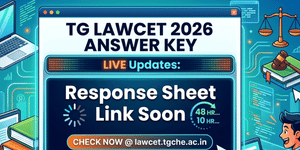
TG LAWCET 2026 Answer Key Released: Response Sheet Download Link Activated
TG LAWCET 2026: The answer key for TG LAWCET 2026 was released on May 23, on the official website of the Telangana State Council of Higher Education (TGCHE), at lawcet.tgche.ac.in. Along with the answer key, the link to download the response sheet and master question papers has been activated. The candidate will be able to cross-check his/her answers from the provisional answer key along with the response sheet to get the tentative score before the result declaration. The answer key release forms an integral part of the admission procedure for those candidates who wish to secure admission to 3-year or 5-year LLB program conducted by the law colleges of Telangana state.
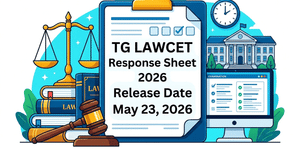
TG LAWCET Response Sheet 2026 Release Date Announced
TG LAWCET Response Sheet 2026: The Telangana Council of Higher Education (TGCHE) is holding the TG LAWCET and TG PGLCET 2026 exams today, on May 18, 2026, at different examination centers in the state. This exam is for admission to the 3-year/5-year LLB programs and the LLM program.

TG LAWCET Hall Ticket 2026 on May 12; Check Tentative Release Time
TG LAWCET Hall Ticket 2026: The Osmania University, Hyderabad, will release the TG LAWCET hall ticket 2026 tomorrow, on May 12, 2026, for all the registered candidates. The authority is yet to declare the official time of releasing the TG LAWCET hall ticket 2026. It is likely to be released either in the morning or in the afternoon. There is no provision for receiving the TG LAWCET hall ticket at the postal addresses of the candidates, nor will the candidates be notified about the release of the TG LAWCET hall ticket. Instead, the candidates are advised to keep checking the official website every 15 minutes. Also, due to heavy traffic immediately after releasing the result, the candidates might face a page loading error. Do not need to panic, instead wait for a while and try to download the hall ticket after one hour.

Is the Official Time for AP LAWCET 2026 Answer Key Confirmed? Check Previous Years' Trends
The answer key serves as an essential document for candidates to estimate their probable scores, along with finding any irregularities in their responses. APSCHE also offers candidates the opportunity to challenge the answers within the given timeframe. The results, along with the final answer key, will be declared after addressing all objections.
Also Check | AP LAWCET 2026 Answer Key LIVE Updates: Official Key Link; Marks vs Rank
Admission Updates for 2026


Similar Colleges


Explore More Law Colleges in Odisha

